Air Humidifiers in Tobacco Field
Apr 17, 2023
Humidifiers are devices designed to increase the humidity levels in the atmosphere. They are commonly used to improve air quality and comfort levels in homes and offices, but they are also applied in a variety of industrial settings. One such setting is the tobacco industry, where humidifiers are used to maintain optimal humidity levels in tobacco manufacturing facilities.
This article will provide a simple overview of the importance of humidifiers in the tobacco industry. It will highlight the environmental requirements for tobacco manufacturing and emphasize the impact of humidity on tobacco quality. Finally, this article will discuss how industrial humidifiers are used to control humidity levels in tobacco production facilities.

Environmental Requirements for Tobacco Manufacturing
Tobacco is a sensitive crop that requires specific environmental conditions to grow and cure properly. When it comes to manufacturing tobacco products, it becomes even more crucial to maintain ideal environmental conditions to ensure the tobacco quality and longevity. The primary environmental requirements for tobacco manufacturing are temperature and humidity.
The ideal temperature for tobacco storage and manufacturing is around 20-25 ℃. When the temperature is too high, it can cause moisture loss, leading to dry, brittle tobacco leaves that crumble easily. When the temperature is too low, it can cause tobacco to become damp and moldy, leading to a decrease in the overall quality of the product.
When it comes to humidity levels, tobacco manufacturing facilities need to maintain a specific range of relative humidity (RH). Relative humidity is the amount of water vapor in the air compared to the maximum amount of water vapor the air can hold at a specific temperature. The ideal relative humidity levels for tobacco production are around 70%. If the humidity levels are too low, it can cause the tobacco leaves to dry out quickly, making them more prone to breakage and reducing their overall quality. Conversely, if the humidity levels are too high, it can increase the risk of mold growth and make the tobacco leaves damp, leading to a loss of flavor and aroma.
The Impact of Humidity on Tobacco Quality
Humidity plays a crucial role in the overall quality of tobacco products. If the humidity levels are too low or too high, it can negatively impact the tobacco during the curing process. The curing process is when the tobacco leaves are dried and prepared to be used in tobacco products.
During the curing process, humidity levels need to be maintained at around 70%, as mentioned above. If the humidity levels are too low during the curing process, the tobacco leaves can become dry and brittle, leading to cracks and breakages that reduce their overall quality. If the humidity levels are too high during the curing process, it can lead to mold and bacteria growth, potential health hazards to users and a loss of overall quality.

Industrial Humidifiers and Humidity Control in Tobacco Production Facilities
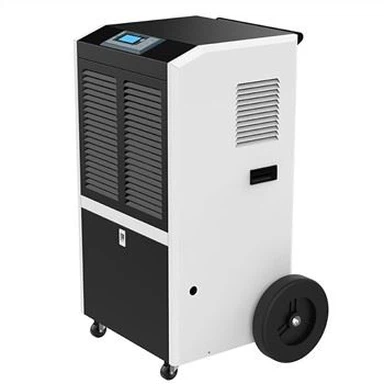
To ensure that the ideal humidity levels are maintained in tobacco production facilities, industrial humidifiers are used. These humidifiers work by releasing water vapor into the air, increasing humidity levels to the desired range. The most commonly used humidifiers in the tobacco industry are atomizing humidifiers, which have high precision and are ideal for large areas.
To control humidity levels in tobacco production facilities, humidifiers need to be installed and controlled correctly. The placement of humidifiers in the facility needs to be strategic to ensure that the humidity levels are uniform throughout the workspace. Additionally, sensors and control systems are used to measure and monitor the humidity levels, controlling once they reach a predetermined range.
In conclusion, the importance of humidifiers in the tobacco industry cannot be overstated. They play a crucial role in ensuring that humidity levels remain at ideal ranges, thus maintaining the overall quality of tobacco products. By using atomizing humding machines and other precision devices, tobacco manufacturers can produce high-quality tobacco that meets or exceeds customer's expectations. While the quality of tobacco depends on multiple factors, humidity control is an essential one that should be taken seriously. Any negative change in the humidity level can impact the quality and aroma of the tobacco. Therefore, maintaining the right environment is crucial for the industry.